
How a mortgage payment takeover works, one step at a time
Here is the order in which things happen, who does what, and where you stay in control.
The short version
You sell the home to us. We agree to take over the monthly payments on the mortgage you already have. The loan is not paid off and not replaced with a new one, so your existing interest rate stays exactly as it is. The deed to the property is signed over to us at a title or escrow company, and from that day we are responsible for the house and for each payment.
Everything below expands on that. If you are still deciding whether this is for you, compare it with the other things you can do after a listing expires and come back.
Why the existing loan matters
The reason this works at all is that a lower-rate loan is worth keeping. A new buyer has to take out a loan at today's rate. We are not buying with a new loan, which is why we can sometimes say yes where a conventional buyer cannot.

Step by step from first contact to closing
- Send your details. Use the form on any page, or call. We ask for your name, phone number, the address, and anything you can tell us about the loan.
- We run the numbers. We compare what you owe with what the home is likely to sell for, and we look at the monthly payment, which includes taxes and insurance if your lender collects them.
- We reply honestly. If it does not work, you get a straight no and sometimes a suggestion. If it works, we send a written offer.
- You read it, ask questions and decide. Take as long as you need. A written offer you have not signed binds nobody.
- Title work and closing. A title or escrow company prepares the documents. Your own attorney may review them.
- Payments begin on our side. We make the monthly payment through a licensed third-party servicer arrangement, and the servicer provides a record that you can check.
What you will be asked for
A recent mortgage statement is the most useful single document. It shows the lender, the balance, the payment and whether taxes and insurance are collected with it. If you cannot find it, do not let that stop you; reach out anyway and we will go through it together.
Not sure it fits? Ask us.
Send the address and what you remember about the loan. We will tell you honestly whether a payment takeover makes sense, or whether another route is better for you.
Who is responsible for what after closing
The loan
The loan stays in your name. We say this repeatedly because it is the most important fact on this page. Until the balance is paid off or refinanced, the lender still treats you as the borrower, and it appears on your credit report that way.
The payments
We make them, on time, every month. A licensed third-party servicer arrangement is how that happens, so that the payment, the date and the amount are recorded by someone who is neither you nor us.
The house
Upkeep, utilities, association dues, taxes and insurance become our job at closing. Many owners who list a home are really trying to stop paying for it, and that is the problem this removes.
Your protection
Read every page before signing. A real estate attorney or the title company can explain anything in plain English. We are not your lawyer and nothing on this site is legal or tax advice.
How long it takes and what can slow it down
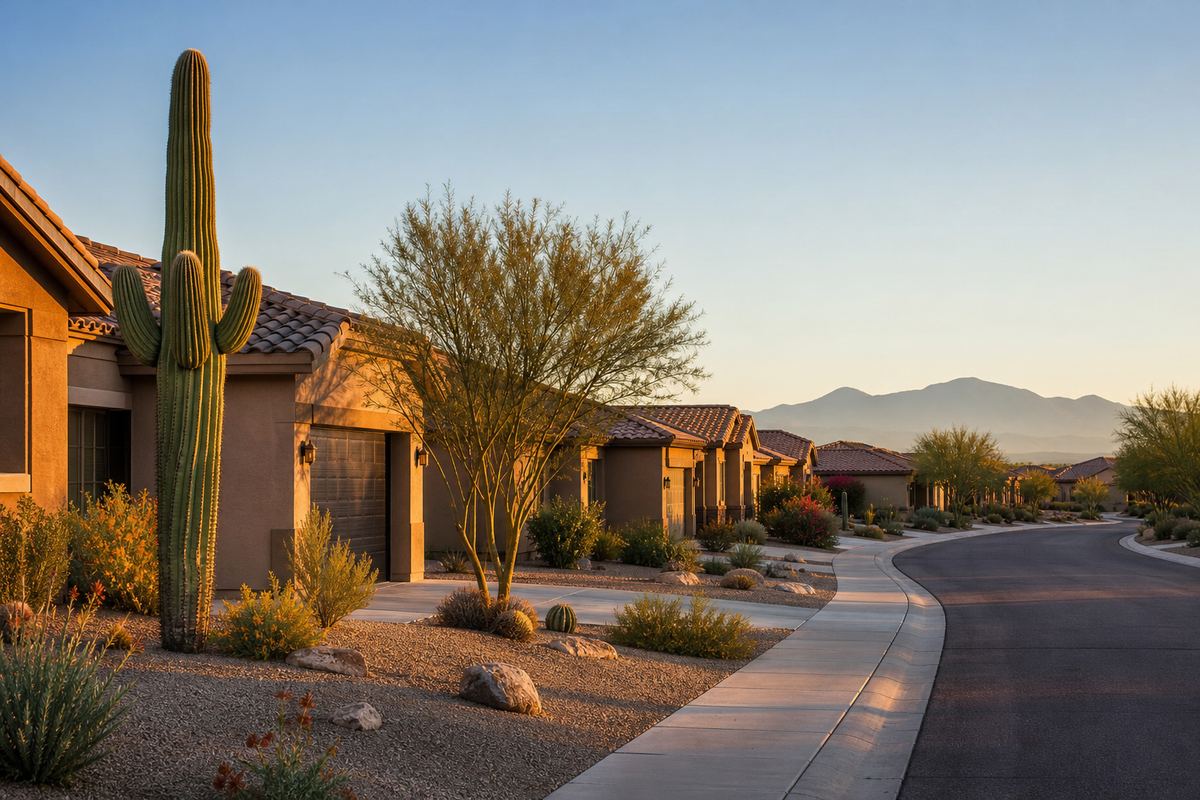
The pace depends mostly on how quickly the paperwork arrives. Information we need from you, the title search and the association are the three places where days get added. A neighborhood with an active association, like the ones described in our Johnson Ranch guide, can add steps because the association has its own forms.
Things that speed it up
- A recent mortgage statement ready to send.
- Your association's contact details.
- Confirming that any old listing agreement has ended.
Things that slow it down
- A past-due balance that needs to be brought current first.
- Liens or unpaid taxes that appear in the title search.
- An owner who is not sure they want to sell yet. That is fine, and there is no clock on a conversation.
For answers to specific worries, the FAQ is the next stop, and the San Tan Valley overview covers the local side of closing.
Questions to ask any buyer, including us
Whoever you sell to, ask these. A good buyer will answer without hesitation.
Who is paying the mortgage after closing, and how can I see it?
Ours is paid through a licensed third-party servicer arrangement, so there is a record that does not depend on trusting anyone's word.
What are you buying: the house, or just a promise?
You sign a purchase agreement and a deed. Be wary of anything vaguer than that.
Can my attorney read this first?
Yes. Ask every buyer, and be cautious of one who says no.
What if I change my mind before closing?
That depends on what you sign, which is why you should read it. Before you sign anything, you can walk away from a conversation at no cost. If you are curious about who is behind this, our about page explains.
Ready to find out if it fits?
Send your details and we will tell you plainly whether a payment takeover works for your home.
Tell us about your home